


Iron Maiden — 2 Minutes to Midnight
𝐅𝐑𝐎𝐌 𝐓𝐇𝐄 𝐂𝐑𝐘𝐏𝐓𝐒 - 𝐂𝐄𝐋𝐄𝐁𝐑𝐀𝐓𝐈𝐍𝐆 𝐏𝐀𝐒𝐓 𝐀𝐋𝐁𝐔𝐌 𝐑𝐄𝐋𝐄𝐀𝐒𝐄𝐒 𝐢𝐧 𝐭𝐡𝐞 𝐇𝐈𝐒𝐓𝐎𝐑𝐘 𝐨𝐟 𝐇𝐀𝐑𝐃 𝐑𝐎𝐂𝐊 & 𝐇𝐄𝐀𝐕𝐘 𝐌𝐄𝐓𝐀𝐋…

August 6, 1984 — Iron Maiden released 2 Minutes to Midnight. The first single to be released from Powerslave, their fifth studio album, it was the band's tenth single released overall. (Apple Music or Spotify)

2 Minutes to Midnight rose to No. 11 on the UK Singles Chart and No. 25 on Billboard Top Album Tracks.

The band's first single to exceed five minutes in length, it remained their longest until the release of Infinite Dreams in November 1989.

Background:
A protest song about nuclear war, "2 Minutes to Midnight" was written by Adrian Smith and Bruce Dickinson.

The song attacks the commercialisation of war and how it is used to fuel the global economy (“𝚃𝚑𝚎 𝚐𝚘𝚕𝚍𝚎𝚗 𝚐𝚘𝚘𝚜𝚎 𝚒𝚜 𝚘𝚗 𝚝𝚑𝚎 𝚕𝚘𝚘𝚜𝚎 𝚊𝚗𝚍 𝚗𝚎𝚟𝚎𝚛 𝚘𝚞𝚝 𝚘𝚏 𝚜𝚎𝚊𝚜𝚘𝚗”), how rich politicians profit directly from it (“𝚊𝚜 𝚝𝚑𝚎 𝚛𝚎𝚊𝚜𝚘𝚗𝚜 𝚏𝚘𝚛 𝚝𝚑𝚎 𝚌𝚊𝚛𝚗𝚊𝚐𝚎 𝚌𝚞𝚝 𝚝𝚑𝚎𝚒𝚛 𝚖𝚎𝚊𝚝 𝚊𝚗𝚍 𝚕𝚒𝚌𝚔 𝚝𝚑𝚎 𝚐𝚛𝚊𝚟𝚢”) and how after a war concludes, the world is left in a far worse condition than before the war began, resulting in future wars (“𝚝𝚘 𝚝𝚑𝚎 𝚝𝚞𝚗𝚎 𝚘𝚏 𝚜𝚝𝚊𝚛𝚟𝚒𝚗𝚐 𝚖𝚒𝚕𝚕𝚒𝚘𝚗𝚜 𝚝𝚘 𝚖𝚊𝚔𝚎 𝚊 𝚋𝚎𝚝𝚝𝚎𝚛 𝚔𝚒𝚗𝚍 𝚘𝚏 𝚐𝚞𝚗”).

The song title references the Doomsday Clock, the symbolic clock used by the Bulletin of the Atomic Scientists, which represents a countdown to potential global catastrophe.

In September 1953 the clock reached two minutes to midnight, the closest it ever got to midnight in the 20th Century, when the United States and Soviet Union tested H-bombs within nine months of one another.
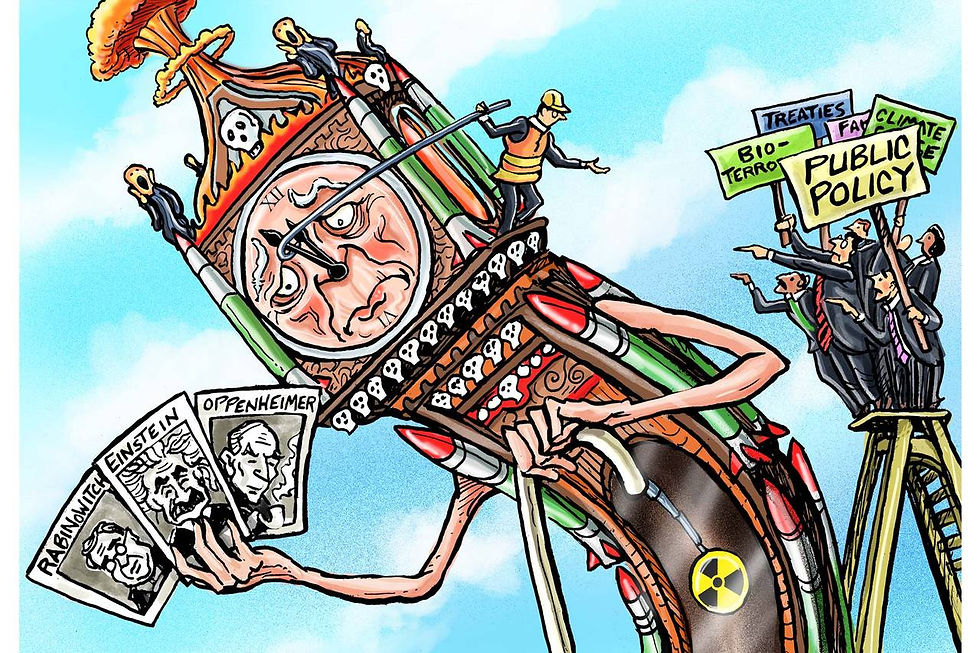
The atomic clock, set at 12 minutes to midnight in 1972, regressed thereafter among US–Soviet tensions, reaching three minutes to midnight in 1984 – the year this track was released – and at that time the most dangerous clock reading since 1953.

According to Dickinson, the song critically addresses "𝚝𝚑𝚎 𝚛𝚘𝚖𝚊𝚗𝚌𝚎 𝚘𝚏 𝚠𝚊𝚛" in general rather than the Cold War in particular.

A promotional video was made for 2 Minutes to Midnight. (Watch video)

B-Sides:
Rainbow's Gold:
The first B-side is a cover of British progressive rock band Beckett's Rainbow's Gold, which was featured on their self-titled album released in 1974. The song was written by Terry Slesser and Kenny Mountain, respectively the band's vocalist and guitarist. On the original release, it is titled A Rainbow's Gold.
According to Nicko McBrain, commenting on the single in Listen With Nicko Part VI (as part of The First Ten Years series), the members of Iron Maiden were friends with members of Beckett. The band's manager, Rod Smallwood, commented this version:
"𝚃𝚑𝚒𝚜 𝚠𝚊𝚜 𝚘𝚛𝚒𝚐𝚒𝚗𝚊𝚕𝚕𝚢 𝚍𝚘𝚗𝚎 𝚋𝚢 𝚊 𝚋𝚊𝚗𝚍 𝚌𝚊𝚕𝚕𝚎𝚍 𝙱𝚎𝚌𝚔𝚎𝚝𝚝 𝚠𝚑𝚘 𝚝𝚑𝚎 𝚋𝚊𝚗𝚍 𝚕𝚒𝚔𝚎𝚍 𝚊 𝚕𝚘𝚝. 𝙰𝚍𝚛𝚒𝚊𝚗 𝚞𝚜𝚎𝚍 𝚝𝚘 𝚍𝚘 𝚊 𝚌𝚘𝚟𝚎𝚛 𝚘𝚏 𝚊𝚗𝚘𝚝𝚑𝚎𝚛 𝚘𝚏 𝚝𝚑𝚎𝚒𝚛 𝚜𝚘𝚗𝚐𝚜 𝚁𝚊𝚒𝚗𝚌𝚕𝚘𝚞𝚍𝚜 𝚒𝚗 𝚑𝚒𝚜 𝚋𝚊𝚗𝚍 𝙴𝚟𝚒𝚕 𝚆𝚊𝚢𝚜. 𝙱𝚎𝚌𝚔𝚎𝚝𝚝 𝚠𝚎𝚛𝚎 𝚏𝚛𝚘𝚖 𝙽𝚎𝚠𝚌𝚊𝚜𝚝𝚕𝚎 𝚊𝚗𝚍 𝚑𝚊𝚍 𝚊 𝚐𝚛𝚎𝚊𝚝 𝚜𝚒𝚗𝚐𝚎𝚛 𝚌𝚊𝚕𝚕𝚎𝚍 𝚃𝚎𝚛𝚛𝚢 𝚆𝚒𝚕𝚜𝚘𝚗 𝚂𝚕𝚎𝚜𝚜𝚎𝚛 (𝚒𝚗𝚌𝚒𝚍𝚎𝚗𝚝𝚊𝚕𝚕𝚢 𝙸 𝚠𝚊𝚜 𝙱𝚎𝚌𝚔𝚎𝚝𝚝‘𝚜 𝚊𝚐𝚎𝚗𝚝 𝚙𝚛𝚒𝚘𝚛 𝚝𝚘 𝚖𝚎𝚎𝚝𝚒𝚗𝚐 𝙼𝚊𝚒𝚍𝚎𝚗)."

Mission From 'Arry:
Another B-side, entitled Mission from 'Arry, is a recording of an argument between bassist Steve Harris and drummer Nicko McBrain, which took place after a show in Allentown, Pennsylvania, during the band's World Piece Tour. During the concert, Harris' bass gear broke down, so he asked the nearest roadie to tell McBrain to extend his drum solo. The crew member was unable to communicate the message effectively, which unfortunately distracted McBrain and had a negative impact on his solo, causing him to yell at the roadie afterwards. Vocalist Bruce Dickinson states that he found the ensuing argument so amusing that he decided to record it with a concealed tape recorder.

Notice: Any reviews shared here are for historical reference. The views and opinions expressed within are not always supported (in full or in part) by Into the Wells. — E.N. Wells

Follow Us:


Comments